
Missing a tooth affects more than your smile. It can change how you chew, how you speak and even the shape of your jaw over time. Dental implants are one of the most reliable ways to replace missing teeth. Here’s what to know before your consultation.
What exactly is an implant?
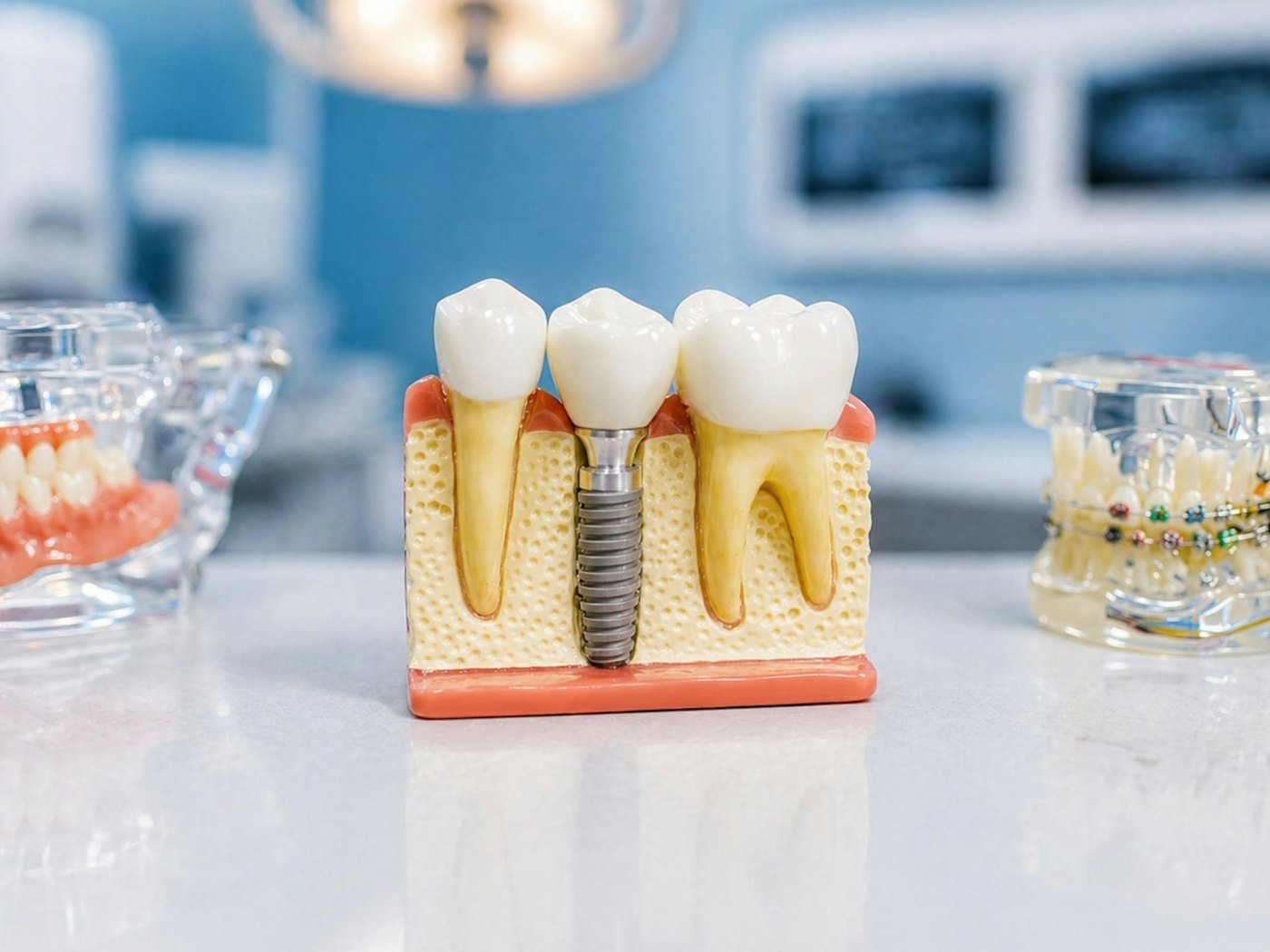
An implant has three parts: a small titanium post that sits in the jawbone like a root, a connector called an abutment, and a custom crown on top. Because the post bonds with your bone, the new tooth is stable. It won’t slip, click or need adhesives.
Who is a good candidate?
- Adults with one or more missing teeth
- People with healthy gums, or gums that can be treated first
- Patients with enough jawbone to support the post (bone grafting can help if not)
- Non-smokers, or patients willing to pause smoking during healing
How long does the process take?
Most implant journeys take a few months from start to finish. That includes time for the implant to fuse with the bone. The visits themselves are short, and you can usually wear a temporary tooth along the way.
Good to know: With good home care and regular check-ups, implants can last many years, often a lifetime.
What affects the cost?
Cost depends on how many teeth are being replaced, whether you need extractions or bone grafting, and the type of restoration on top. We’ll give you a clear written estimate and review your insurance and financing options before anything begins.
The next step
The best way to know if implants are right for you is a one-on-one consultation. Dr. Patel will examine your mouth, review your X-rays and walk you through every option, with no pressure at all.
Book an implant consultationThis article is for general education only and isn’t a substitute for a professional dental exam.